
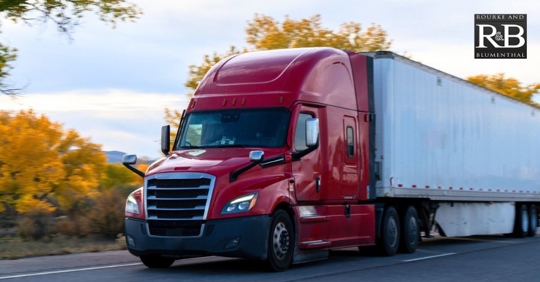
If you’ve driven along I-70, I-75, I-71, or the Ohio Turnpike in mid-to-late November, you’ve likely noticed a significant shift in traffic patterns. Long lines of 18-wheelers fill the right-hand lanes, diesel engine brakes echo through commute hours, and merging requires an extra layer of patience.
It isn't your imagination. Commercial truck volume surges dramatically across Ohio in the days leading up to Thanksgiving. Understanding why this happens and how to navigate the roads safely alongside large freight vehicles can make your holiday travel much smoother.
Ohio: The Freight Crossroads of the Midwest
Ohio sits at a critical geographic junction for American logistics. Over 70% of the nation's manufacturing goods travel via truck, and Ohio’s extensive interstate network serves as a central hub connecting East Coast ports to Midwestern distribution centers and West Coast routes.
When holiday demand spikes nationally, Ohio’s highways absorb a massive share of that burden.
The Pre-Thanksgiving Logistics Crunch
Several factors converge in November to push truck traffic to its annual peak:
- Grocery and Feast Preparation: Grocers experience their highest inventory turnover of the year during Thanksgiving week. Transporting millions of pounds of fresh turkeys, produce, and baked goods requires temperature-controlled "reefer" trucks operating on tight, non-negotiable delivery deadlines.
- Early Black Friday Stocking: High-street retailers and big-box stores prepare weeks in advance for holiday shoppers. Distribution centers across central and northern Ohio push maximum inventory out to local stores before Black Friday morning.
- E-Commerce Surge: Online shopping fulfillment spikes sharply just before Thanksgiving. Major carrier networks run extra routes to ensure distribution hubs are fully stocked for Cyber Week order processing.
- Month-End Shipping Deadlines: Thanksgiving often falls near the final days of November. Shippers face pressure to move freight off factory floors and warehouse spaces before the month closes, compressing extra shipments into a short business week.
Navigating Heavy Truck Traffic Safely
With millions of passenger vehicles joining commercial haulers on Ohio roads, the risk of highway accidents naturally increases. Heavy commercial trucks require significantly more stopping distance and have expansive blind spots.
To keep your family safe during holiday trips:
- Avoid the "No-Zones": Semi-trucks have large blind spots directly behind the trailer, in front of the cab, and along both sides (especially the right side). If you cannot see the driver’s side mirrors, they cannot see you.
- Give Plenty of Space: A fully loaded tractor-trailer traveling at 65 mph can take the length of two football fields to stop completely. Avoid cutting closely in front of a heavy truck when changing lanes.
- Pass Quickly and Decisively: Avoid lingering alongside a large truck. Complete your pass safely and signal clearly before moving back into the lane.
- Expect Sudden Slowdowns: Traffic near major interchanges like Columbus, Cincinnati, and Cleveland can stall quickly during peak travel windows. Maintain a generous following distance so you have room to react.
Staying Protected on Ohio Highways
Even the most cautious drivers can find themselves in harm's way when highways become overcrowded. Accidents involving commercial trucks often result in severe consequences due to the sheer size and weight of these vehicles. If you or a family member has been injured in a collision with a commercial vehicle, getting clear, trustworthy guidance is crucial. Rourke & Blumenthal is here to fight on your behalf.
Reach out to Rourke & Blumenthal at (614) 321-3212 to speak with an experienced legal team dedicated to protecting your rights and helping you secure the justice you deserve.