
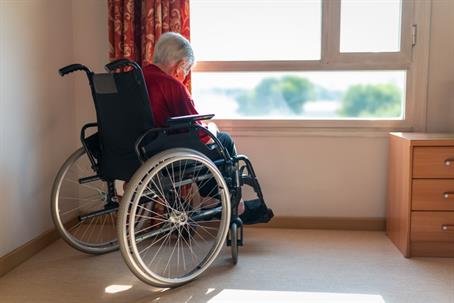
When an elderly loved one begins to decline in a nursing facility, families are often told it is simply “part of aging.” While natural decline does occur, not every sudden deterioration, confusion, fall, or hospitalization is inevitable. In skilled nursing facilities across Columbus, clinical decisions, especially medication management, play a critical role in resident safety. When those decisions fall below accepted standards, the consequences can be severe.
Distinguishing Natural Aging from Clinical Negligence
Aging is gradual. Medication errors and clinical mismanagement, by contrast, often produce noticeable and sometimes sudden changes. Understanding the difference is essential when evaluating whether a Columbus nursing home may be responsible for harm.
As you consider what happened, it helps to look for patterns such as the following:
- Sudden Cognitive Changes. Rapid confusion, agitation, or extreme lethargy after a medication adjustment may signal overmedication or adverse drug interactions.
- Unexpected Physical Decline. Weakness, frequent falls, or loss of mobility shortly after new prescriptions are introduced can raise concerns.
- Unexplained Hospitalizations. Emergency transfers for dehydration, internal bleeding, or medication toxicity may point to preventable errors.
- Significant Blood Pressure or Blood Sugar Fluctuations. Improper dosing of cardiac or diabetic medications can create dangerous instability.
- Behavioral Changes After Sedatives. Overuse of antipsychotics or sedating drugs is a well-documented issue in some skilled nursing facilities.
When decline closely follows medication changes or lapses in monitoring, it warrants closer review.
What Medication Mismanagement Looks Like in Skilled Nursing Facilities
Nursing homes in central Ohio are required to follow strict state and federal regulations regarding medication administration. These facilities must ensure proper dosing, monitor for side effects, and communicate with prescribing physicians when a resident’s condition changes.
Medication mismanagement may involve failures, such as:
- Incorrect Dosage Administration. Giving too much or too little of a prescribed drug can cause serious harm.
- Failure to Monitor for Side Effects. Residents must be monitored for known complications associated with high-risk medications.
- Dangerous Drug Interactions. Polypharmacy is common in elderly populations and requires careful coordination.
- Missed Doses of Critical Medications. Skipping anticoagulants, heart medications, or antibiotics can have life-threatening consequences.
- Failure to Adjust Medications as Health Changes. As kidney or liver function declines, dosages may need to be modified.
These are clinical responsibilities, not unavoidable aspects of aging.
Failure to Transfer a Declining Resident
Another common issue in Columbus nursing facilities involves delayed hospital transfers. When a resident shows signs of serious infection, stroke, internal bleeding, or respiratory distress, timely escalation of care is essential.
Red flags may include:
- Persistent Abnormal Vital Signs. Ongoing fever, low oxygen levels, or unstable blood pressure without physician escalation.
- Delayed Physician Notification. Staff failing to promptly report worsening symptoms.
- Ignoring Family Concerns. Dismissing requests for hospital evaluation despite an obvious decline.
- Waiting Until a Crisis Occurs. Transferring only after the resident becomes unresponsive or critically unstable.
A failure to act quickly can transform a treatable condition into a fatal one.
When a Nursing Home Error Becomes Legal Negligence
Not every poor outcome is malpractice. To establish negligence in Ohio, it must be shown that the nursing facility failed to meet the accepted standard of care and that this failure directly caused harm.
In medication-related cases, that may involve demonstrating:
- Deviation From Accepted Nursing Protocols. Expert review often determines whether proper medication management standards were followed.
- Causation Between the Error & the Decline. The medication mistake must be linked to the injury, hospitalization, or death.
- Documented Harm. Medical records should reflect measurable physical or cognitive injury resulting from the mismanagement.
- Regulatory Violations. State inspection reports or prior citations may support a broader pattern of unsafe practices.
These cases frequently require review by geriatric care and pharmacology experts to separate unavoidable decline from preventable clinical error.
Protecting Your Loved One & Your Family’s Rights
If you are questioning whether your loved one’s deterioration was truly “just old age,” you are not alone. Families throughout Columbus face similar concerns when a sudden decline follows medication changes or delayed medical intervention.
As you evaluate your next steps, you may wish to:
- Request the Complete Nursing & Medication Administration Records. These logs show exactly what was given and when.
- Obtain Hospital Records If a Transfer Occurred. Emergency department findings often clarify whether earlier intervention was possible.
- Document Observed Changes. Write down dates and descriptions of cognitive or physical shifts.
- Consult with a Nursing Home Negligence Attorney. Early legal review can help determine whether the decline reflects aging or actionable clinical failure.
At Rourke & Blumenthal, we represent families across central Ohio who suspect clinical negligence in skilled nursing facilities.
If you have concerns about medication mismanagement or delayed transfer at a Columbus nursing home, call (614) 321-3212 or contact us online to discuss your situation and learn how we can help protect your loved one’s rights.